
Cocoa Farming
About Cocoa Farming in Uganda
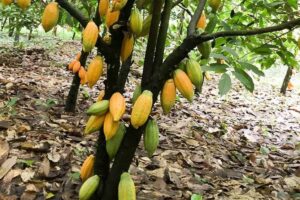 Cocoa farming in Uganda is a growing and promising agricultural sector, contributing to local livelihoods and Uganda’s growing agribusiness potential. Uganda’s fertile alluvial soils, favorable warm climate conditions, and dedicated farming communities have aided cocoa production hence steadily gaining recognition for both quality and sustainability. Cocoa farming is known to the areas of Mukono, Bundibugyo, Buikwe and mayuge, Iganga and kayunga whose climate is with warm temperatures, well-distributed rainfall, and rich, loamy soils and rain forest trees to offer shade for the cocoa plants. These natural conditions support healthy cocoa trees and enable farmers to produce high-quality beans with good flavor potential.
Ugandan cocoa farmers are increasingly adopting good agricultural practices such as proper pruning, pest management, fermentation, and drying techniques. These efforts help improve bean quality while meeting international market standards. Sustainability initiatives also focus on environmental conservation and improving farmer incomes. Uganda however, is limited to the cocoa processing venture hence a gap for adopting processing technologies to tap into the market access for cocoa finished products.
Cocoa farming provides a valuable source of income for rural households and contributes to local economic development. As global demand for ethically sourced and traceable cocoa continues to grow, Uganda is positioning itself as a reliable origin with strong potential for expansion.
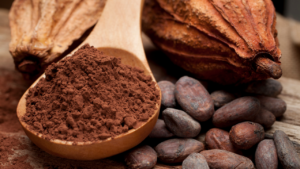 With increased investment, training, and market access, cocoa farming in Uganda holds great promise. Continued collaboration between farmers, cooperatives, exporters, and development partners is strengthening the sector and opening doors to international markets.
Uganda’s cocoa story is one of growth, resilience, and opportunity—rooted in the land and driven by the people who cultivate it. The cocoa industries in Uganda are steadily growing due to high quality cocoa production in that these companies produce chocolate products on large scale supporting the farmers in Uganda building Uganda’s reputation as a premium producer of cocoa.
What are the cocoa varieties grown in Uganda
Forastero is the most widely grown cocoa variety in Uganda due to its high yield, strong disease resistance, and adaptability to favorable climatic conditions. It thrives particularly well in the central and western regions of the country, where rainfall and temperatures are favorable for cocoa production. This variety is known for its robust growth, uniform pods, and consistent productivity, making it popular among small scale farmers. Although its flavor profile is considered more straightforward compared to other varieties, Forastero forms the backbone of Uganda’s cocoa industry because of its reliability and commercial viability.
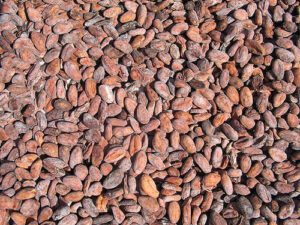 Trinitario is a hybrid cocoa variety resulting from a cross between Forastero and Criollo. It is increasingly grown in Uganda due to its improved flavor quality and relatively good resistance to pests and diseases. This variety produces beans with a more complex and aromatic flavor profile, making it attractive for premium and specialty chocolate markets. While it may require slightly more careful management than pure Forastero, Trinitario offers farmers a balance between good yields and enhanced bean quality, contributing to Uganda’s growing reputation in fine cocoa production.
Criollo is a rare and premium cocoa variety that is grown in limited quantities in Uganda. It is highly valued for its superior flavor, low bitterness, and smooth, delicate taste, which makes it desirable in the production of fine and luxury chocolates. However, Criollo is more susceptible to pests, diseases, and environmental stress, which makes it less common among farmers. Due to its lower yield and higher management requirements, it is typically cultivated on a smaller scale by farmers targeting niche or specialty markets
Characteristics of Cocoa
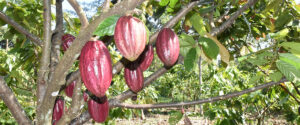 Cocoa is obtained from the cacao tree (Theobroma cacao), a tropical crop valued worldwide for chocolate and cocoa-based products. The cocoa tree is a tropical evergreen that grows best in warm, humid climates. It thrives under partial shade and begins producing pods after 3–5 years. One unique feature of the cocoa tree is that fruits grow directly from the trunk and main branches, a phenomenon known as cauliflory.
Cocoa pods are oval in shape with a thick, leathery shell. When mature, pods change color from green to yellow, orange or red depending on the variety. Each pod contains approximately 20–60 cocoa beans surrounded by a sweet, white pulp.
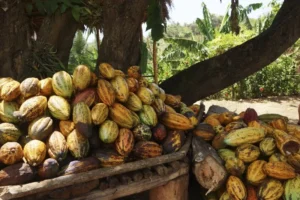 Cocoa beans are soft and purple when fresh and are encased in a pulp. After harvesting, the beans undergo fermentation and drying, which turn them brown and help develop their sweet aroma and flavor. The beans are rich in cocoa butter, a key ingredient in chocolate production, chocolate beverages and in cake production.
Raw cocoa beans are naturally bitter however proper fermentation, drying, and processing bring out desirable flavor notes such as chocolaty, fruity, nutty, or floral tones. The quality of cocoa is influenced by favorable conditions such as soil conditions, tropical climate, and post-harvest handling.
Cocoa grows best in well-drained, fertile alluvial soils with consistent rainfall throughout the year. It requires careful farm management as it is sensitive to pests and diseases. Sustainable farming practices help improve yield and bean quality.
Uses of Cocoa
Cocoa is one of the most valuable agricultural commodities in the world, widely used in food production, cosmetics, health products, and industry. In Uganda, cocoa plays an important role not only in manufacturing but also in income generation and economic development.
Cocoa is primarily used to produce chocolate and other confectionery products. Cocoa beans are processed into cocoa liquor, cocoa powder, and cocoa butter, which are essential ingredients in chocolate bars, candies, cakes, biscuits, and desserts. Cocoa powder is also used in beverages such as hot chocolate and flavored drinks, adding rich taste and aroma to food products.
Cocoa butter, extracted from cocoa beans, is widely used in the cosmetic industry. It is a key ingredient in body lotions, creams, lip balms, soaps, and skin oils. Cocoa butter helps moisturize and nourish the skin, improves skin elasticity, and protects against dryness, making it highly valued in personal care products.
Cocoa contains natural antioxidants known as flavonoids, which help protect the body from harmful substances. These antioxidants support heart health, improve blood circulation, and promote overall wellness. Cocoa is also used in nutritional supplements and health products due to its beneficial properties.
Cocoa butter is used in the pharmaceutical industry as a base for making medicinal ointments, creams, and suppositories. Its smooth texture and ability to melt at body temperature make it safe and effective for delivering medications.
Cocoa is an important cash crop in Uganda, providing income for farmers and employment opportunities to the people working in farms, processing, and export sectors. The cocoa industry contributes significantly to household livelihoods and supports the country’s agricultural economy.
Cocoa by-products such as husks and shells are used as organic fertilizer, compost, and animal feed. These by-products help improve soil fertility, promote sustainable farming practices, and reduce agricultural waste.